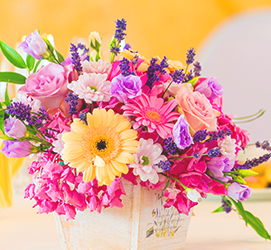
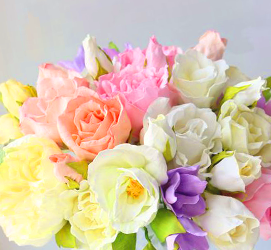
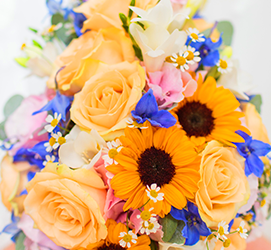
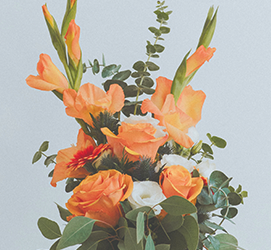
Sandsend village florist pricing mistakes to avoid
Posted on 19/10/2026
Sandsend village florist pricing mistakes to avoid: a practical guide for paying the right price
If you have ever looked at a flower quote and thought, "Hang on... why does that bouquet cost this much?", you are not alone. Pricing can feel a bit murky, especially when you are trying to order something personal, time-sensitive, or event-led. This guide to Sandsend village florist pricing mistakes to avoid breaks down the most common ways people overspend, misread a quote, or compare the wrong things altogether.
Whether you are ordering birthday blooms, sympathy flowers, wedding arrangements, or a simple bouquet "just because", the real trick is understanding what is actually included. Delivery, stem choice, presentation, timing, substitutions, and seasonal availability all shape the final price. Get those wrong, and a sensible order can turn oddly expensive very quickly. Get them right, and you usually end up with better value as well as better flowers.
Let's make it straightforward. No fluff, no mystery, just the pricing mistakes that catch people out and how to avoid them.
- Why pricing mistakes matter
- How florist pricing works in practice
- Benefits of pricing carefully
- Who should read this and when it helps
- Step-by-step guidance to avoid overspending
- Expert tips for getting better value
- Common mistakes to avoid
- Tools, resources and recommendations
- Law, compliance and best practice
- Options and comparison table
- Real-world example
- Practical checklist
- Conclusion
- Frequently asked questions
Why Sandsend village florist pricing mistakes to avoid Matters
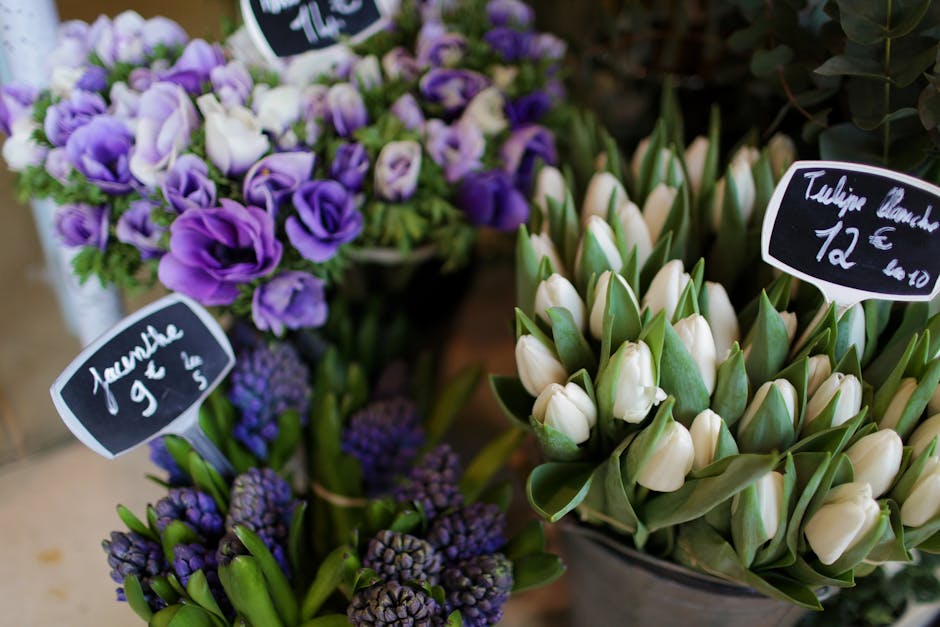
Florist pricing is one of those things that looks simple until you are actually in the middle of ordering. A bouquet may seem expensive compared with a supermarket bunch, but that comparison can be misleading if you do not account for hand design, freshness, delivery timing, or the amount of work involved. In Sandsend village, where many customers want flowers for day-specific occasions and local delivery, small pricing misunderstandings can add up fast.
Why does this matter so much? Because flower buying is often emotional. You might be ordering after a hectic week, trying to be thoughtful, or sorting something delicate like sympathy flowers. In that moment, people tend to click the first option that looks right. That is exactly when pricing mistakes happen: hidden extras, rushed upgrades, wrong size expectations, or choosing the cheapest-looking arrangement without checking the specification.
There is also a trust element. If a florist is transparent about what is included, you can compare options properly and make a choice with confidence. If not, the lowest price on the page may not be the best value at all. Truth be told, that is where a lot of buyers get stung. Not badly, maybe, but enough to feel annoyed when the flowers arrive smaller than expected or delivery costs more than the bouquet itself.
For local shoppers in and around SW6, the smart move is to understand pricing as a package rather than a number. That mindset alone prevents a lot of disappointment.
How Sandsend village florist pricing mistakes to avoid Works
Florist pricing usually works through a blend of product cost, design labour, packaging, seasonality, and delivery logistics. If you are buying flowers online or over the phone, the advertised price may only show one part of that equation. The full price often depends on the following:
- Flower type: roses, lilies, seasonal mixed flowers, and specialist stems all price differently.
- Arrangement size: a hand-tied bouquet, basket, vase arrangement, or tribute design each takes different materials and labour.
- Seasonal availability: out-of-season flowers can cost more or need substitutions.
- Delivery timing: same-day and next-day services can carry operational costs.
- Presentation: ribbons, wraps, boxes, vases, and cards can all affect the final total.
- Event complexity: wedding flowers, funeral tributes, and corporate orders tend to be priced differently from everyday bouquets.
That is the basic mechanism. The mistakes happen when customers assume every florist prices the same way. They do not. One florist may show a lower headline figure but add delivery, card, and sizing fees later. Another may include more in the starting price and therefore look pricier at first glance. Same total? Sometimes. Same value? Not always.
A sensible approach is to compare like with like. If one bouquet is shown with delivery included and another is not, you are not comparing the same thing. Sounds obvious. Still catches people out all the time.
Key Benefits and Practical Advantages
Getting florist pricing right is not just about saving money, though that is part of it. It also makes the buying process calmer, clearer, and less stressful. And let's face it, flowers should feel thoughtful, not like you are decoding a puzzling receipt.
Here are the main advantages of avoiding common pricing mistakes:
- Better value: you know what your money is paying for.
- Fewer surprises: no awkward delivery add-ons or upgrade charges at checkout.
- More suitable flowers: you can choose based on occasion, not just headline price.
- Less waste: the right budget gives you the right size and presentation first time.
- More reliable timing: if you understand delivery costs and lead times, you can plan properly.
- Better gifting impact: the bouquet looks and feels appropriate for the moment.
A practical example: someone ordering birthday flowers may think the cheapest arrangement is enough, but by the time delivery and a card are added, the total comes close to a better-sized bouquet that would have looked more generous. In other words, the cheapest option is not always the economical one.
That is especially true for occasions where presentation matters, such as anniversaries, weddings, or sympathy flowers. A few pounds saved can become a false economy if the arrangement arrives looking too small or too plain.
Who This Is For and When It Makes Sense
This advice is useful for anyone ordering flowers in Sandsend village or nearby, but it is especially helpful if you are in one of these situations:
- Busy shoppers who need a quick order and do not have time to compare properly.
- Gift buyers trying to make a good impression without overspending.
- Event planners managing multiple arrangements and a fixed budget.
- Wedding couples who need consistency across bouquets, buttonholes, and table flowers.
- People arranging sympathy flowers where tone and timing matter as much as cost.
- Businesses ordering regular flowers for receptions, clients, or corporate gifting.
It also makes sense when you are trying to judge whether a florist is giving fair value. If you see a bouquet priced lower than expected, you should ask: is this a smaller design, are the stems seasonal, or is delivery separate? On the other hand, if the price is higher, is it because the florist uses premium stems, fuller design work, or better presentation? Those are very different things.
There is no shame in asking. In fact, it is the best way to avoid paying for assumptions.
Step-by-Step Guidance
If you want to avoid florist pricing mistakes, a simple process works better than guesswork. Here is the approach I would recommend.
- Start with the occasion. A birthday bouquet and a funeral spray are not priced or designed the same way. Be clear about the purpose first.
- Set your real budget. Decide what you are happy to spend after delivery, card, and any extras. Not before. That tiny difference matters.
- Check what the price includes. Look for delivery, vase, wrapping, message card, and whether substitutions may change the design.
- Compare size and style, not just price. A compact hand-tied bouquet is not comparable with a fuller florist's choice arrangement.
- Ask about seasonal flowers. Seasonal stems often offer better value and a fresher look. Out-of-season requests can push the price up.
- Review delivery rules. Same-day orders, timed delivery, and difficult access can all affect cost.
- Check the florist's payment and refund terms. If there is a problem with the order, you will want to know where you stand.
- Finalise only when the total makes sense. If the basket, bouquet, or tribute looks right and the full price is clear, you are in good shape.
That process sounds basic, but it is surprisingly effective. Most overspending happens when step 3 or 4 is skipped. A lot of people just glance, click, and hope for the best. Which, to be fair, is not a strategy.
Expert Tips for Better Results
Here are the pricing habits that tend to separate satisfied customers from the ones who feel a bit let down afterwards.
1. Think in total cost, not headline cost
The bouquet price is only useful if it reflects the final spend. When you add delivery, occasion card, or premium wrapping, the number may shift quite a lot. Always check the basket total before you assume value.
2. Use florist choice when flexibility is acceptable
If you are not fixated on one specific flower, a florist's choice bouquet often gives better value because the florist can use the best stems available that day. It also reduces substitution issues. That can be a win-win.
3. Be careful with low-price marketing
Some low-cost arrangements are designed to attract attention, not necessarily to be the most suitable option. A small budget bouquet is fine if that is your budget. The mistake is expecting premium impact from a budget design. Quite a common one, actually.
4. Ask about seasonal price swings
Flower prices can rise around key periods such as Valentine's Day, Mother's Day, and Christmas. If your order date is flexible, shifting by a day or two can sometimes make a noticeable difference.
5. Match the arrangement to the message
For example, a light, airy mixed bouquet may suit a thank-you gift, while a more structured design may feel better for sympathy or formal occasions. The right style can reduce the urge to overbuy just to "make it look enough".
Sometimes people think spending more will automatically make the gift better. Not always. Good timing, thoughtful colour choice, and the right message often matter just as much.
Common Mistakes to Avoid
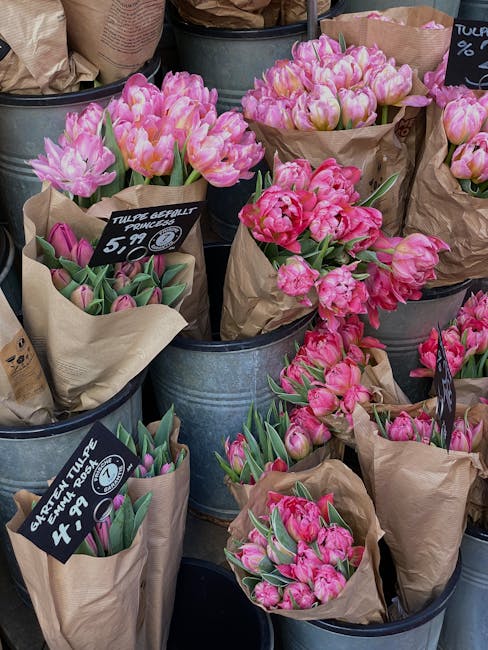
This is the heart of the topic. These are the pricing mistakes that most often trip people up when ordering from a florist in Sandsend village.
Buying on price alone
The cheapest bouquet is not necessarily poor value, but it may be smaller, less full, or less flexible on flower choice. If you ignore the size and contents, you are comparing the wrong thing.
Forgetting delivery costs
Delivery can make a meaningful difference to the total. People often budget for the bouquet and then realise the delivery charge has nudged the order beyond what they expected. It happens a lot with same-day or time-specific delivery.
Not checking flower substitutions
Seasonal availability matters. If a florist must substitute a stem, the value should still make sense. But if you never ask how substitutions are handled, you may be surprised by the final look or the price. A fair florist will explain this clearly.
Assuming bigger always means better
Some large arrangements are built with lower-cost flowers and clever structure, while smaller designs may use higher-value stems. So size alone does not tell the whole story. You need to look at composition as well.
Ignoring occasion-specific pricing
Wedding flowers, funeral tributes, and corporate bouquets are often priced differently because the labour and planning are different. Trying to compare them with a general gift bouquet is a bit like comparing a takeaway sandwich with a plated restaurant meal.
Forgetting the message card or extra gifts
Cards, chocolates, balloons, and vase upgrades can be useful, but they change the spend quickly. The little extras are where budgets quietly drift. Sneaky, really.
Ordering too late
Last-minute orders often reduce choice and can increase delivery pressure. If a florist has to source something urgently, that can affect cost and availability. Planning earlier generally gives you more control.
Not asking what "luxury" means
Luxury is not a standard size. One florist may mean premium stems and fuller design, while another may mainly mean more elaborate packaging. Always look at the description and ask if needed.
Most mistakes are avoidable if you slow down for one minute and read the full listing. One minute. That is usually enough.
Tools, Resources and Recommendations
You do not need specialist software to make a better flower purchase, but a few simple tools and habits can help a lot.
- A notes app or checklist: jot down your budget, occasion, and delivery date before browsing.
- A comparison habit: compare at least two or three suitable arrangements at similar price points.
- Order timing: if your date is flexible, check whether a different delivery day changes the total.
- Clear recipient details: delivery issues can create extra admin or delay, so accurate details matter.
- Product filters: on a florist site, browse by budget, occasion, or flower type so you are not overwhelmed by choice.
Useful internal pages can also help you judge value and order with more confidence. For example, if you are comparing delivery options, the delivery information page is a sensible place to understand timing and service expectations. If you want a broader sense of the shop's standards, the guarantees page is worth a look. And if you want to understand how payment is handled before checkout, the payment page can remove a lot of guesswork.
For everyday gifting, browsing ranges like birthday flowers in Sands End, funeral flowers, or wedding flowers helps you compare pricing within the right category instead of mixing different products together. That alone makes decision-making much easier.
Law, Compliance, Standards, or Best Practice
Flower pricing itself is not heavily regulated in the way some other sectors are, but customers still deserve clear, honest information. In the UK, best practice means prices should not be misleading, and the customer should be able to understand what is included before paying. That sounds simple, but it matters.
Good florist practice generally includes:
- clear product descriptions
- transparent delivery charges
- honest substitution policies
- clear refund or issue-resolution terms
- accurate contact details for queries
If you are ordering something sensitive, like sympathy flowers or a wedding arrangement, clarity becomes even more important. These are not casual purchases. A good florist should make the process feel steady, not rushed or vague. If information is hard to find, that is usually a warning sign.
It is also wise to read the florist's terms and conditions, returns and refund policy, and privacy policy when placing a larger or time-sensitive order. For most customers, these pages are not exciting reading. But they are the boring bits that protect you later. Boring, yes. Useful, very.
Where sustainability or sourcing matters to you, the florist's sustainability page can also help you understand whether the price reflects more considered practices or reduced waste. That may or may not be a deciding factor, but it is worth checking.
Options, Methods, or Comparison Table
One of the easiest ways to avoid pricing mistakes is to compare flower-buying options by purpose, not by impulse. Here is a simple comparison that may help.
| Option | Best for | Typical pricing risk | How to avoid the mistake |
|---|---|---|---|
| Budget bouquet | Simple gifting, quick thank-you gestures | Too small for the occasion | Check stem count, size, and delivery total |
| Florist choice arrangement | Good value, flexible gifting | Assuming it will look like a premium bespoke design | Read the description and size notes carefully |
| Luxury bouquet | Special occasions, stronger visual impact | Paying for presentation rather than flower quality | Ask what makes it luxury: stems, density, packaging, or all three |
| Funeral tribute | Sympathy and remembrance | Underestimating the planning and labour involved | Compare tribute type, lettering, and delivery needs |
| Wedding flowers | Structured event styling | Overlooking setup, coordination, and design time | Ask for a full itemised plan rather than a single headline number |
This comparison is not about pushing everyone toward the most expensive option. Far from it. It is about making sure the option you choose actually fits the occasion. A great-value bouquet for a casual gift is smart. A cheap bouquet for a major event may feel underdone. Context matters.
Case Study or Real-World Example
A local customer wanted flowers for a birthday and had a firm budget in mind. They saw two arrangements that looked similar at first glance. One was cheaper, the other slightly higher. The cheaper one appeared to be the obvious choice, so they nearly ordered it straight away.
After checking the details, though, they noticed the lower-priced option did not include delivery and was smaller than expected. The slightly higher bouquet included a fuller design and a better card presentation, and once delivery was added to the first option, the final totals were almost the same. In the end, they picked the fuller arrangement and felt much happier with the value.
That is a common pattern. A bouquet that looks cheaper on screen can become more expensive in the basket. You can avoid that by asking three simple questions before you pay:
- What is included in the price?
- What does delivery cost?
- How does the actual size compare?
The point is not that you must buy the biggest bouquet. It is that you should know what you are buying. That clarity changes everything.
Practical Checklist
Use this quick checklist before you place an order. It takes less time than scrolling one more page, honestly.
- Have I set a realistic total budget?
- Do I know whether delivery is included?
- Have I checked the size and stem count?
- Does the arrangement suit the occasion?
- Have I checked for seasonal substitutions?
- Do I need a card, vase, or extra gift?
- Is the delivery date and time suitable?
- Have I read the refund and guarantee terms?
- Have I compared this option with one similar alternative?
- Do I feel confident the final total is fair value?
Expert summary: the best way to avoid florist pricing mistakes is to compare full value, not just headline price. Look at occasion, size, delivery, seasonality, and presentation together. That one habit prevents most overspending.
If you are still deciding, browse the wider range of flower delivery in Sands End options or take a look at the local florist service page to understand the overall service style before ordering. For fast gifting, the same-day flower delivery option can be helpful, but it is even more important to check the final total carefully when the clock is ticking.
Get a free quote today and see how much you can save.
Conclusion
Most Sandsend village florist pricing mistakes to avoid come down to one thing: not looking at the full picture. A bouquet is not just a bouquet. It is the flowers, the design, the delivery, the timing, the presentation, and the occasion all rolled into one.
Once you start comparing on value rather than impulse, the whole process gets easier. You spend more confidently, choose better, and usually end up with flowers that feel right for the moment. That is the goal, really. Not the cheapest order. Not the flashiest one. Just the one that makes sense and feels thoughtful.
And if you are ordering for someone special, that little bit of care shows. People notice. They really do.
Frequently Asked Questions
What are the most common Sandsend village florist pricing mistakes to avoid?
The most common mistakes are comparing prices without checking size, forgetting delivery costs, assuming all bouquets include the same extras, and not reading the substitution policy. Those four errors cause most pricing surprises.
Why does one florist bouquet cost more than another?
Price differences usually come down to flower type, bouquet size, design time, packaging, and delivery. A higher price may also reflect better stem quality or a fuller arrangement, not just branding.
Is the cheapest bouquet ever the best value?
Sometimes, yes. If the occasion is casual and the bouquet fits the purpose, a lower-priced option can be great value. The key is making sure it is not too small or missing important extras once delivery is added.
Should I always choose florist choice to save money?
Not always, but florist choice often offers strong value because the florist can use the best available stems. It works well if you are flexible about exact flower types.
How can I tell if delivery is included in the price?
Check the product listing, basket summary, and delivery information carefully. If it is not explicitly included, assume it may be added later. That is the safest approach.
Do same-day flower orders cost more?
They can, because they require quicker preparation and delivery planning. The exact cost depends on the florist's service structure and how urgent the order is.
Are seasonal flowers better value?
Often they are. Seasonal flowers are usually easier to source, fresher, and more cost-effective than out-of-season requests. They can also look more natural and abundant.
What should I ask before paying for flowers?
Ask what is included, whether delivery is extra, how substitutions are handled, and whether the size matches the price. Those questions clear up most confusion before checkout.
How do I avoid overspending on wedding flowers?
Get itemised pricing, separate the must-haves from the nice-to-haves, and ask how the florist prices design time and setup. Wedding flowers often involve more labour than people expect, so it helps to plan carefully.
Do funeral flowers need a different pricing approach?
Yes. Funeral tributes are often priced differently because they may involve specialist shapes, lettering, or larger design work. It is best to compare by tribute type rather than by simple bouquet size.
What if the flowers I receive are different from the photo?
Some variation is normal, especially with seasonal stock. If the difference seems significant, contact the florist and refer to the product description and policy pages. Good florists should explain substitutions clearly.
How can I get better value without buying the cheapest option?
Choose a realistic size, compare similar products, consider seasonal flowers, and check the full delivery cost before paying. Often the best value sits in the middle of the range, not at the lowest end.
Is it better to order early or wait for a sale?
For important occasions, early ordering is usually better. It gives you more choice and less pressure. Waiting for a sale can help with casual gifting, but it is risky when timing matters.