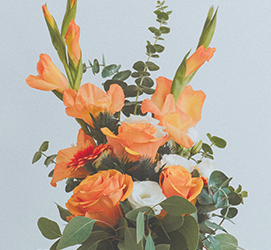
Sandsend Beach wedding flowers guide for seaside ceremonies
Posted on 16/09/2026
Planning flowers for a coastal wedding sounds simple until you stand by the sea and feel the wind, see the salt in the air, and realise the arrangement that looked perfect indoors may not behave so politely outside. That is exactly why this Sandsend Beach wedding flowers guide for seaside ceremonies matters. Whether you are imagining a soft, romantic bouquet, a breezy aisle look, or table flowers that still feel elegant after a brisk shoreline photo session, the details change near the coast. This guide walks you through what works, what to avoid, and how to choose seaside wedding flowers that feel beautiful rather than fussy.
To be fair, coastal weddings have a charm all their own. Sandsend gives you that wide-sky, North Yorkshire feel with a bit of drama in the air, and flowers need to hold their own without fighting the setting. In the pages below, you will find practical advice on flower choice, weather resilience, styling, timing, and budget decisions, plus a few real-world tips that help everything come together calmly on the day.
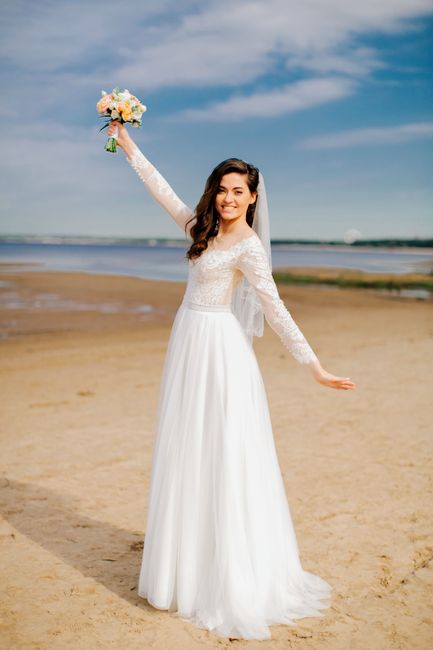
Table of Contents
- Why Sandsend Beach wedding flowers guide for seaside ceremonies Matters
- How Sandsend Beach wedding flowers guide for seaside ceremonies Works
- Key Benefits and Practical Advantages
- Who This Is For and When It Makes Sense
- Step-by-Step Guidance
- Expert Tips for Better Results
- Common Mistakes to Avoid
- Tools, Resources and Recommendations
- Law, Compliance, Standards, or Best Practice
- Options, Methods, or Comparison Table
- Case Study or Real-World Example
- Practical Checklist
- Conclusion
- Frequently Asked Questions
Why Sandsend Beach wedding flowers guide for seaside ceremonies Matters
Beach weddings are not just a prettier version of a hotel ceremony. They are a different environment entirely. Wind, shifting light, salt spray, sand, and temperature changes all affect how flowers look and last. That is why a seaside flower plan needs a bit more thought than a standard wedding floral brief.
At Sandsend, the setting can move from calm and almost still to breezy quite quickly. One minute the bouquet is perfectly set for photos, the next it is being lifted by the wind like it has ideas of its own. Not ideal. But manageable. The key is choosing flowers, mechanics, and styling that suit the setting rather than pretending the seaside is just another venue lawn.
Flowers also do more than decorate. They help define the mood of the day. A pale, coastal palette can soften a bright shoreline. Stronger colour can add contrast against sea and sky. And for couples who want a relaxed, natural feel, the right flowers make the whole ceremony look effortless even when a lot of thought has gone into it behind the scenes.
If you are planning a wedding in this part of Yorkshire, it helps to think about the day as a sequence: arrival, ceremony, photos, reception, and travel between them. Flowers need to survive all of that. A bouquet that looks amazing for ten minutes is not enough. You want something that still feels fresh when you are halfway through family photos, slightly windswept, and grinning because the vows are done.
Expert summary: For beach weddings, the best floral choices are usually the ones that balance style with resilience. Think sturdy stems, secure mechanics, sensible hydration, and a design that looks good even when the weather has a mind of its own.
How Sandsend Beach wedding flowers guide for seaside ceremonies Works
A good seaside floral plan starts with the venue conditions, not the colour chart. That may sound obvious, but people often begin by choosing roses, peonies, or a Pinterest-perfect bouquet before thinking about wind, transport, or how long the flowers will sit outside. On a beach, the order matters.
The process usually works in four stages. First, you decide the floral roles you need: bridal bouquet, bridesmaid bouquets, buttonholes, ceremony flowers, table arrangements, and any extras such as welcome flowers or chair dressing. Second, you match those roles to the setting. A large freestanding arch may work if it is properly secured; loose petals on a windy beach, less so. Third, you choose flowers that suit the climate and the visual tone you want. Fourth, you plan timing and transport so everything arrives in good shape.
There is also a practical difference between flowers that are meant to be carried and flowers that are meant to sit still. A handheld bouquet can be more delicate if it is kept hydrated and out of the sun until the last minute. Ceremony pieces, by contrast, must be structured properly, because they are doing a job. In seaside conditions, this is where professional mechanics matter: water sources, hidden supports, and weighted bases often make all the difference.
For local inspiration, couples often browse relevant wedding ranges such as wedding collections, bridal bouquets, and buttonholes to see what style feels right before refining it for the coast. A seaside version of those designs may need lighter structure, more robust flower varieties, or a slightly different palette.
In practice, a beach wedding floral brief is about two things: beauty and survival. If either one is missing, the whole thing feels a bit off. Truth be told, that balance is where a lot of the skill sits.
Key Benefits and Practical Advantages
When flowers are planned well for Sandsend, they do more than survive the wind. They elevate the whole experience. You will notice the effect immediately in photographs, but also in the mood of the ceremony itself.
- Better visual harmony: Coastal flowers can mirror the sea, sky, stone, and sand without looking overworked.
- Improved durability: The right blooms and structure last longer in breezy, changeable weather.
- Less stress on the day: Good planning reduces the need for emergency tweaks when the wind picks up.
- More flattering photos: Simple, well-chosen flowers tend to read better in bright outdoor light than overcomplicated arrangements.
- Clearer budget control: Knowing which pieces matter most helps you spend where it shows.
There is also an emotional benefit that is easy to underestimate. Beach weddings often feel personal and intimate, even when they are not tiny. Flowers can reinforce that feeling. A loose hand-tied bouquet, a few well-placed arrangements, and gently coordinated buttonholes can make the day feel thoughtful rather than staged.
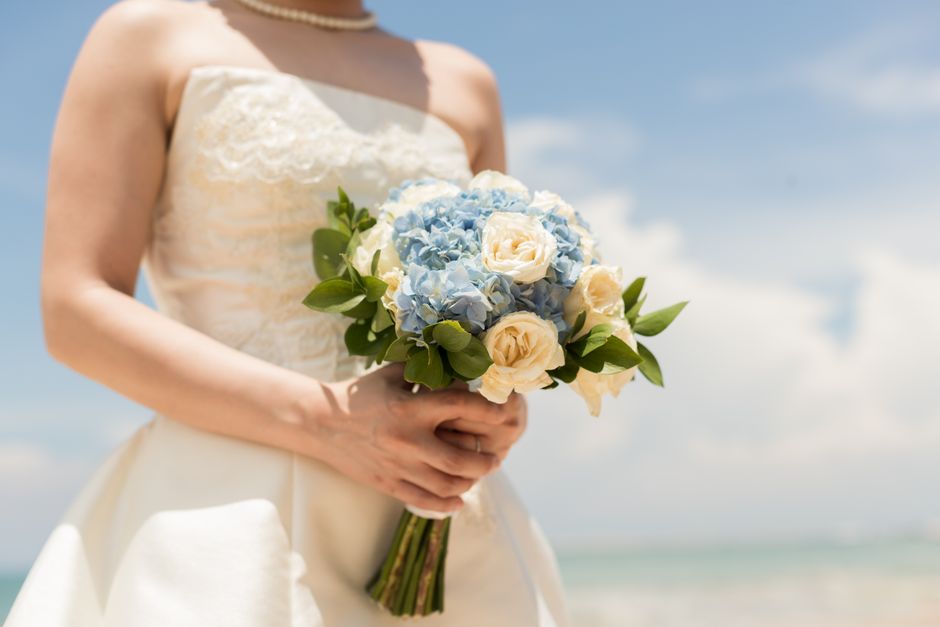
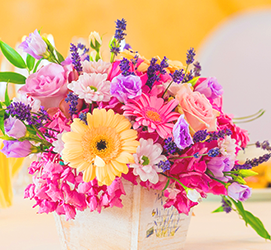
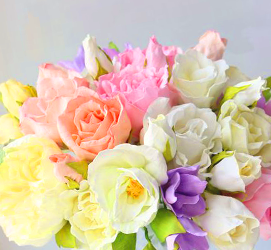
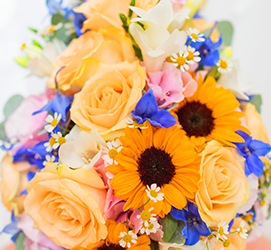
For couples leaning toward soft romance, a combination of whites, blush tones, pale lilac, and fresh greenery can feel right at home. For something a bit bolder, coral, yellow, and blue accents can echo the water and coastal light without becoming too theme-y. Theme-y is a dangerous road, frankly. Best avoided unless you really love the look.
Who This Is For and When It Makes Sense
This guide is for anyone planning wedding flowers at or near Sandsend Beach, especially if the ceremony is outdoors or partly outdoors. It is useful for couples working with a florist, those choosing ready-to-order pieces, and anyone trying to decide how much floral styling a beach setting really needs.
It also makes sense if you are in one of these situations:
- You want a ceremony that feels elegant but not overly formal.
- You are worried about flowers coping with coastal weather.
- You are comparing bridal bouquet styles and need something practical for outdoor photos.
- You are trying to keep the wedding design cohesive without overspending on flowers that will be out in the wind.
- You need to coordinate flowers for the ceremony, the wedding party, and the reception in one style.
Couples often underestimate how much of the day takes place before the ceremony itself. There are arrivals, greetings, photos, and a bit of waiting around. That means flowers need to work under real-world conditions, not just for the walk down the aisle. If the bouquet is too heavy, the bride feels it. If the buttonholes are too fragile, they droop. If the table arrangements are too tall, they compete with conversation. Simple as that.
This is also relevant for planners and family members helping with decisions. Sometimes the couple wants a very soft look, while the practical adults in the room are quietly thinking about the wind forecast. Both viewpoints matter. The trick is making them meet in the middle.
Step-by-Step Guidance
Here is the most sensible way to plan seaside wedding flowers for Sandsend without making it a last-minute scramble.
1. Start with the setting
Look at where the ceremony will actually happen. Is it directly on the beach, near the edge, or in a sheltered outdoor space close by? That affects stem choice, arrangement size, and how much structure you need. An exposed shoreline is not the place for delicate, top-heavy designs.
2. Choose a colour palette that fits coastal light
Bright daylight can wash out very pale colours, while deeper tones can look striking against the sea. Soft white, ivory, blush, sage, sand, lavender, and pale blue are common seaside favourites because they sit comfortably in the landscape. If you want stronger colour, keep one or two accent shades rather than loading every arrangement with contrast.
3. Pick flowers that cope well outdoors
Not every beautiful flower is happy at the beach. Roses, lisianthus, orchids, alstroemeria, carnations, chrysanthemums, and some summer mixes tend to be more resilient than extremely delicate blooms. That does not mean you cannot use softer flowers, but it does mean they may need more careful handling and timing.
For brides who want a clean, elegant look, a design featuring white bridal bouquet styling or a coordinated bridal bouquet can be a smart starting point. If you prefer something warmer, summer-inspired arrangements can bring in a sunlit feel without becoming too formal.
4. Match the bouquet to the dress and movement
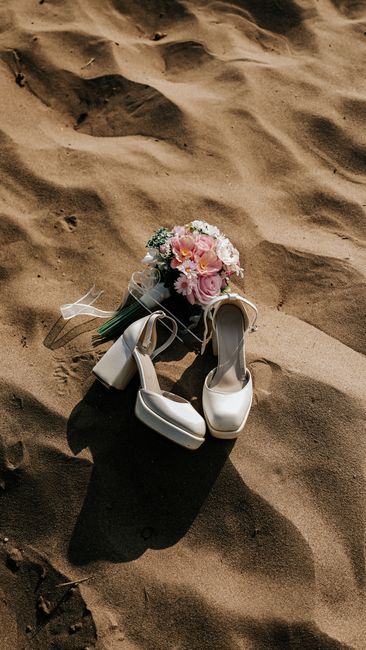
Beach dresses often move differently from indoor bridal gowns. You may have more breeze, a softer silhouette, or less structure overall. A bouquet should complement that. Cascading styles can be stunning, but they need careful balance. Round hand-tied bouquets often travel better and feel lighter in the hand. If you are walking on sand, lighter is usually better. Your arm will thank you later.
5. Plan supporting flowers
Buttonholes, bridesmaid bouquets, corsages, and table pieces should all feel connected. They do not need to match exactly, and that is important. In fact, exact matching can look stiff. Better to use a shared palette or flower family so the whole wedding feels coordinated but relaxed.
6. Schedule delivery and setup carefully
Timing matters. Flowers should be delivered as close as reasonably practical to the event so they stay fresh and hydrated. If the ceremony is early and the reception is later, you may need a cooling plan or a staging area indoors. Even a short spell in a warm car can make a difference, especially in summer.
7. Prepare for wind and sand
Beach flowers need stable containers, weighted bases, and secure finishing. Loose stems, light vases, and tall arrangements are all more vulnerable than they look. If petals are being used, use them sparingly and only if the venue setup allows it.
8. Finalise the floral brief in writing
Keep a note of colours, flower preferences, quantities, delivery times, and any access challenges. Sandsend is beautiful, but like many seaside locations, it can be awkward for vehicle access and unloading at the precise wrong moment. A clear brief saves everyone a headache.
Expert Tips for Better Results
The best coastal floral work tends to look effortless because the practical decisions were made early. Here are a few things that consistently help.
- Use fewer, better pieces. A strong bridal bouquet and a few well-placed supporting arrangements often achieve more than lots of small, mismatched items.
- Keep stems compact. Shorter, tighter designs are easier to carry and less likely to wobble in the wind.
- Choose flowers with texture. Blooms like lisianthus, roses, and orchids hold shape well and photograph beautifully in outdoor light.
- Think in layers. Combine focal flowers, fillers, and greenery so the arrangement feels rich without looking crowded.
- Bring a towel and pins. Not glamorous, no. Very useful, yes.
One small but important tip: avoid heavy fragrance if the ceremony space is compact or guests will be close together. A floral scent can be lovely on the breeze, but in a tight moment it can become a bit much. Subtle is usually safer.
Another practical note is to request a bouquet finish that suits the grip of the hand. Satin ribbon looks elegant, but if the weather is damp or the bride's hands are cold, the stem wrap should still feel secure. Little details like that matter more than people think.
If you are browsing designs, it can help to compare coastal-leaning arrangements with more classic options such as pure romance bridal styling, everlasting love bouquets, or a softer all-round design like Sincerely Yours. The names are poetic, but the real question is whether the shape, size, and flower mix suit the coast.
Common Mistakes to Avoid
Beach weddings are full of lovely intentions and very practical traps. Here are the mistakes that cause the most trouble.
Choosing flowers only because they look good indoors
Some blooms are beautiful in a calm room and frustrating outdoors. If you are marrying by the sea, ask whether the flower can handle sun, breeze, and a little delay before the ceremony begins.
Overcomplicating the design
A beach does not need a lot of extra decoration. If the setting already gives you the view, the florals should support it, not wrestle with it.
Ignoring weight
A bouquet that feels light on a table can feel heavy after a 20-minute handhold, especially when nerves kick in. Bridesmaids feel this too. Buttons and corsages can also droop if they are too bulky.
Leaving setup to the last minute
Beach access, weather checks, and transport issues can all eat into setup time. A rushed floral install rarely looks as elegant as people hope.
Forgetting the reception journey
If ceremony flowers need to move into the reception space later, they need to be designed for that transition from the start. A piece that looks perfect in one location can feel too small or too large in another.
Sometimes the mistake is simply trying to make everything match too exactly. One bouquet, one buttonhole, one table arrangement, all identical. It can look a bit flat. Coordinated is better than copied.
Tools, Resources and Recommendations
You do not need a complicated toolkit to plan good seaside flowers, but a few practical resources help enormously.
- Reference images: Keep a small set of photos showing the flower shape, palette, and overall mood you want.
- Venue notes: Make a simple list of access points, shelter options, and the likely ceremony location.
- Timing plan: Write down when flowers should arrive, when they should be unpacked, and who is responsible for them.
- Weather awareness: Check conditions in the days leading up to the wedding, then again on the morning itself. Not obsessively. Just enough to stay sensible.
- Care instructions: Keep stems cool, shaded, and hydrated whenever possible before the ceremony.
For inspiration and product selection, you can look through related wedding pieces such as bridesmaid bouquets, table arrangements, and wedding corsages. If you want a broader view of flower style and seasonality, the site's flower care guidance and sustainability information can also help frame sensible decisions around freshness and sourcing.
If you are working to a tighter budget, a focused floral plan is often the smartest route. A smaller number of high-impact pieces can look more refined than trying to stretch everything too thin. There is no prize for overbuying flowers. Honestly, no one remembers the extra stems if the bouquet itself felt right.
Law, Compliance, Standards, or Best Practice
For a beach wedding, the most relevant issue is usually not a special flower law but practical venue and safety best practice. If the ceremony is on or near public land, you may need to follow venue permissions, local access arrangements, and any rules set by the site owner or event organiser. Those details vary, so they should be checked directly with the relevant venue or coordinator rather than assumed.
From a florist's perspective, the main standards are about safe handling, clear communication, and reliable delivery. That means confirming where flowers can be unloaded, what time setup starts, whether petals or decorations are allowed, and how arrangements should be secured. If items are left outdoors, they should be weighted or fixed in a way that does not create a hazard for guests.
It is also good practice to be clear about product substitutions. Seasonal availability can affect exact flower varieties, especially if you are asking for a very specific look at short notice. A trustworthy florist should explain when a like-for-like substitution is sensible and when it would change the design too much. That kind of transparency saves awkwardness later.
For wedding planning generally, keep an eye on accessibility needs too. Guests may include older relatives, people with mobility aids, or children who need more stable walking space. Floral placement should enhance the ceremony, not create trip points or block movement. Small thing, big difference.
Options, Methods, or Comparison Table
Different floral styles suit different seaside weddings. Here is a simple comparison to help you weigh the options.
| Flower style | Best for | Strengths | Trade-offs |
|---|---|---|---|
| Soft hand-tied bouquet | Relaxed beach ceremonies | Light, easy to carry, flattering in photos | Can feel too simple if you want a formal look |
| Cascading bouquet | More dramatic bridal styling | Elegant, romantic, statement-making | Needs careful balance in windy settings |
| Compact round bouquet | Practical seaside weddings | Stable, versatile, less affected by movement | Less visual movement than looser designs |
| Ceremony arrangements with weighted bases | Outdoor arches, aisle ends, signing tables | Secure, adaptable, suitable for open air | May require more planning and transport space |
| Minimal floral accents | Budget-aware couples | Clean, understated, efficient | Less immersive and less decorative overall |
If you are unsure which route to take, start with your wedding photos in mind. Do you want the flowers to be the star, or the frame around the view? That question tends to clarify things very quickly.
Case Study or Real-World Example
Here is a realistic example based on the kind of planning many couples end up doing for a Sandsend ceremony. A bride and groom want a late afternoon seaside wedding with about thirty guests. They choose a soft palette of white, blush, and pale green so the flowers feel airy rather than heavy. The bouquet is kept compact and hand-tied for easier carrying across the sand path. Bridesmaids carry smaller matching bouquets, and the groom's buttonhole is simple, so it stays neat during the photos.
For the ceremony, they decide against a tall arch because the wind forecast is a little lively. Instead, they place two low arrangements near the signing table and use a few smaller flowers to soften the seating area. The result feels intimate and calm. Nothing is overdone. The flowers do their job and let the sea do the rest.
Later, those same flowers are moved into the reception space, where they work well as table pieces. That kind of flexibility is a big win. It saves money, reduces waste, and avoids the feeling that the ceremony and reception belong to two different weddings.
What made it work? A few sensible choices: a restrained colour palette, durable blooms, secure mechanics, and an honest conversation about the weather. Not glamorous, perhaps, but absolutely effective.
Practical Checklist
Use this checklist in the final planning stage. It is the sort of thing that keeps everyone calmer on the day.
- Confirm the ceremony location and whether it is fully exposed to the wind.
- Decide which flowers are essential: bouquet, buttonholes, bridesmaid bouquets, ceremony pieces, table arrangements.
- Choose a colour palette that suits sea, sky, dress, and photos.
- Shortlist flower types that are sturdy enough for outdoor conditions.
- Check delivery timing and any access limitations for the venue.
- Ask how the arrangements will be secured against wind or movement.
- Make sure the bouquet weight feels comfortable to carry.
- Plan where flowers will be kept before the ceremony.
- Decide whether the ceremony flowers can be reused at the reception.
- Keep a written brief with names, timings, and contact details.
Quick reminder: a calm, simple plan usually produces a better floral result than a grand but fragile one.
Conclusion
Sandsend Beach wedding flowers guide for seaside ceremonies is really about one thing: choosing flowers that belong in the setting. The coastline gives you atmosphere for free, but the flowers need to be practical, resilient, and thoughtfully styled so they support the moment rather than complicate it. When you balance beauty with weather awareness, the whole day feels easier.
Start with the setting, choose a palette that suits the light, keep arrangements secure, and use flowers that can handle a little breeze without losing their shape. From there, everything becomes much more straightforward. And a bit more enjoyable too, which is kind of the point.
If you are still comparing styles or narrowing down your wedding flower plans, now is the right time to review your options, gather your ideas, and speak with a florist who understands coastal conditions. A steady plan makes the day feel lighter for everyone involved.
Get a free quote today and see how much you can save.
In the end, the best seaside flowers are the ones that let you breathe, smile, and take in the view without worrying about a thing.
Frequently Asked Questions
What flowers work best for a Sandsend Beach wedding?
Flowers that hold up well outdoors are usually the safest choice, such as roses, lisianthus, orchids, alstroemeria, carnations, and chrysanthemum-based designs. You can still use softer blooms, but they often need better timing and handling.
Should beach wedding flowers be different from traditional wedding flowers?
Yes, usually a little. Beach flowers often need to be lighter, more secure, and better suited to wind and brighter light. The style can still be romantic, just less fragile and less fussy.
What bouquet shape is best for a seaside ceremony?
Compact round bouquets and softly hand-tied designs are often the easiest to manage on the coast. Cascading bouquets can look beautiful, but they need more careful planning if the wind is likely to pick up.
Can I use peonies or hydrangeas at a beach wedding?
You can, but they may not be the most reliable choice in exposed conditions. Their performance depends on weather, timing, and how long they are out of water. If you love them, build the plan carefully and ask for honest guidance.
How do I stop flowers blowing over on the beach?
Use weighted bases, secure mechanics, and arrangements designed for outdoor stability. Tall, loose, or very light pieces are more likely to move. In seaside settings, structure matters just as much as style.
How early should wedding flowers be delivered for a coastal ceremony?
Usually as close to the ceremony as practical, while still allowing time for setup and adjustments. Flowers should not sit around in heat, direct sun, or a warm vehicle if it can be avoided.
Are white flowers a good choice for Sandsend weddings?
Yes, white flowers often look beautiful by the sea because they feel crisp against the sky and water. Adding greenery, blush, or soft blue can stop the look from feeling too flat.
How much should I budget for beach wedding flowers?
Budgets vary a lot depending on flower types, quantities, and how much installation is required. A focused floral plan with fewer high-impact pieces is often more cost-effective than spreading the budget too thin.
Can ceremony flowers be reused at the reception?
Often, yes. This is one of the smartest ways to get more value from your floral budget. It works best when the original designs are made with both locations in mind.
What should I tell my florist about a Sandsend Beach wedding?
Tell them the exact location, whether the ceremony is fully exposed, how long the flowers will be outdoors, what colours you want, and whether the pieces need to move to the reception later. The more practical detail you share, the better the result.
Do beach wedding flowers need special care on the day?
They do. Keep them cool, shaded, and hydrated as much as possible before the ceremony. Avoid leaving them in direct sun or in a vehicle for too long, because even a short delay can affect freshness.
What if the weather turns windy at the last minute?
That is exactly why simple, secure designs work so well. A good beach flower plan has a bit of flexibility built in, so if the wind changes, the arrangements still look composed rather than chaotic.